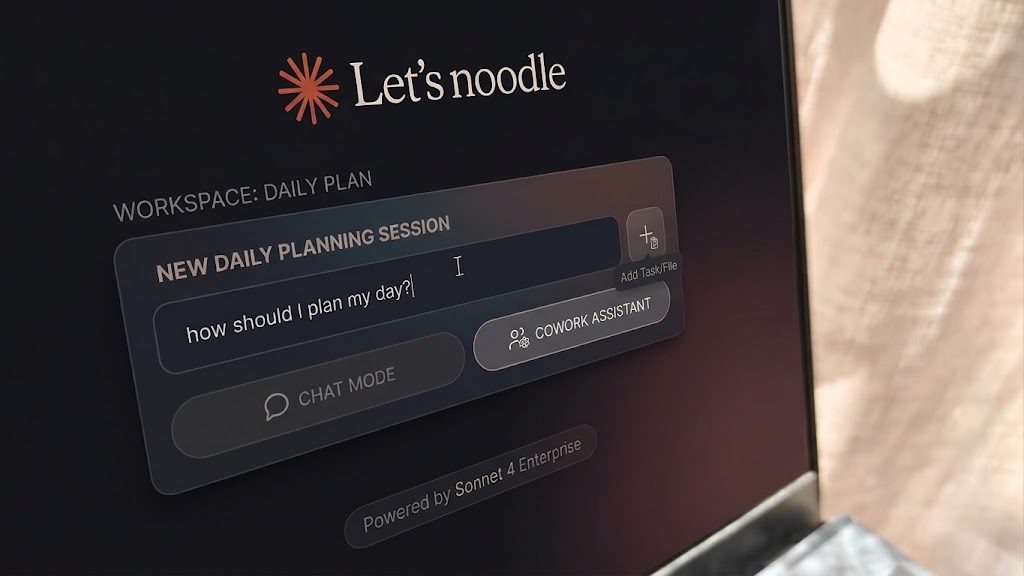
I’ve been utilizing AI tools for a while, alternating between NotebookLM, Gemini, Claude, and ChatGPT. But I wanted to have a better understanding of the tools rather than merely using them.
To learn how these technologies operate and how to make the most of them, I enrolled in classes offered by Anthropic and Google. I discovered that I had been making a critical error during a session on how to elicit beneficial responses from Claude: sending generic suggestions that resulted in generic responses.AI tool.
Generic responses are produced by vague prompts.AI tool
The AI cannot simply deduce your desires.AI tool
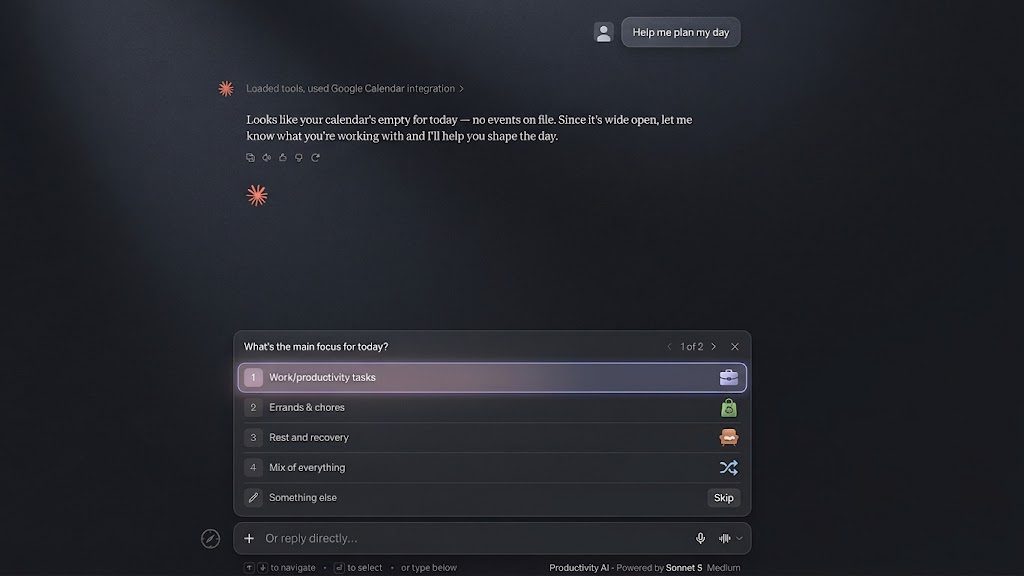
I recognize that my prompts for some activities should include crucial context, but I also ask AI to complete tasks without providing adequate information. Furthermore, I was unaware of the extent to which this influences the caliber of the answers.
I discovered how effective context can be when it is incorporated into project instructions throughout my time utilizing Claude Projects. However, I didn’t always apply this understanding to my general prompts for subsequent assignments. When I use Gemini, I’m particularly guilty of this.
Claude typically asks follow-up questions to assist refine its response if you offer it an imprecise request. However, these fall short of providing a more thorough prompt in the first place.
However, deciding what context to include might be challenging. You don’t want a generic response, but you also don’t want to send long messages that go over your Claude restrictions. Fortunately, a formula for constructing prompts was provided by the Anthropic-sponsored course.
To establish context, you can utilize a straightforward framework.
This facilitates the creation of thorough prompts.
The formula for successful Claude prompts is simple to memorize and lets you choose the iteration that best suits your situation. In essence, it guaranties that the role, aim, and format are included in your prompt. This guidance was presented in the training by former Anthropic manager Dan Mellott and is also part of Anthropic’s best practices for prompting.
Give Claude a persona for the role portion of your prompt. For instance, you might designate Claude as the project manager while requesting comments on a document.
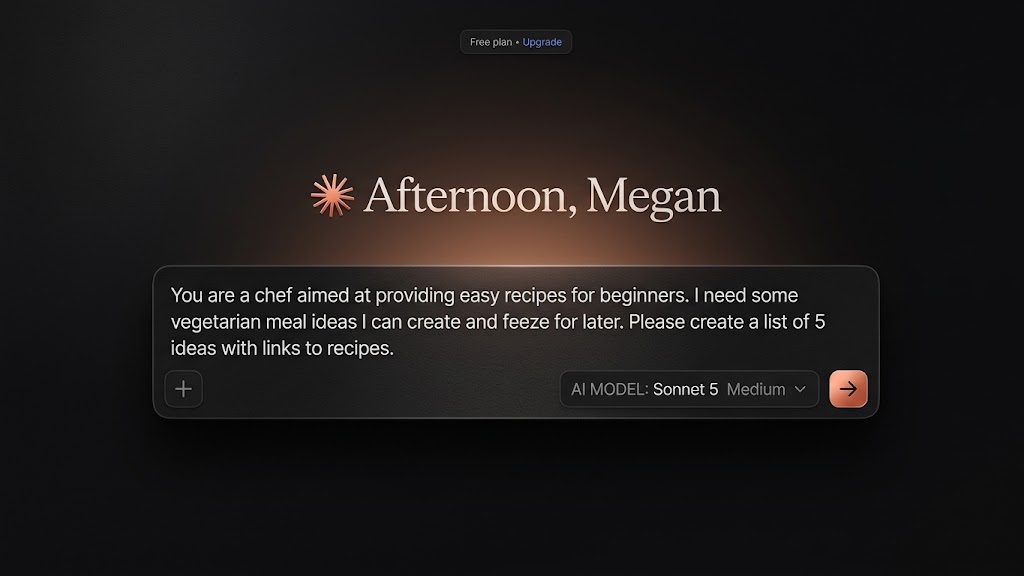
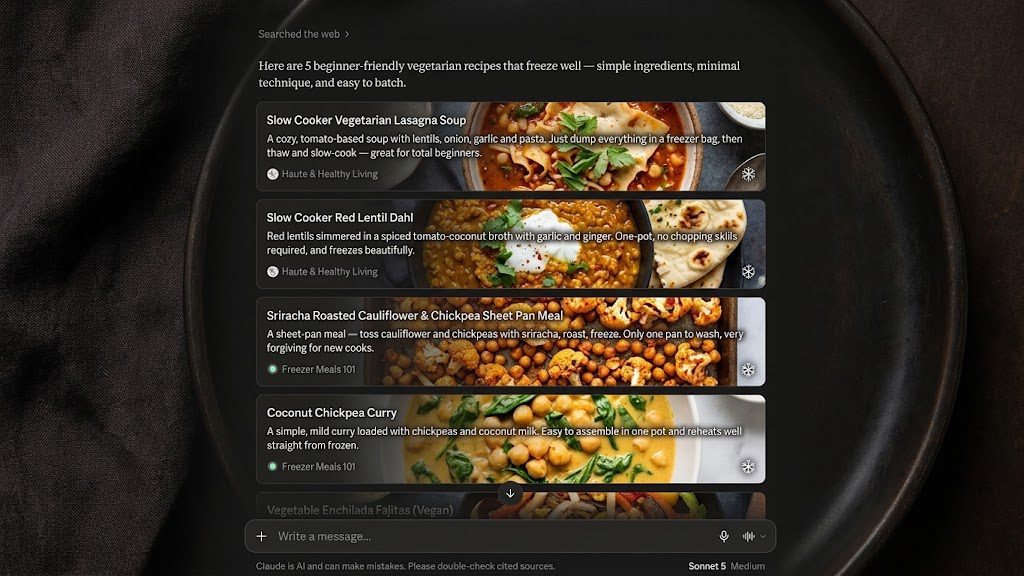
The context and aim of your prompt constitute the goal. For instance, if I ask Claude for recipes, I’ll mention that I’m a vegetarian and that I’m looking for freezer-friendly, beginner-friendly meals. I would add the context “I need some beginner-friendly vegetarian meal ideas I can cook and freeze for later” in place of “I want some recipes”.
The format is how you want the AI to accomplish the task. For instance, you can request a paper with a certain table, a list of precise feedback points, or, in the case of multimodal AI, the image or video you wish to produce.
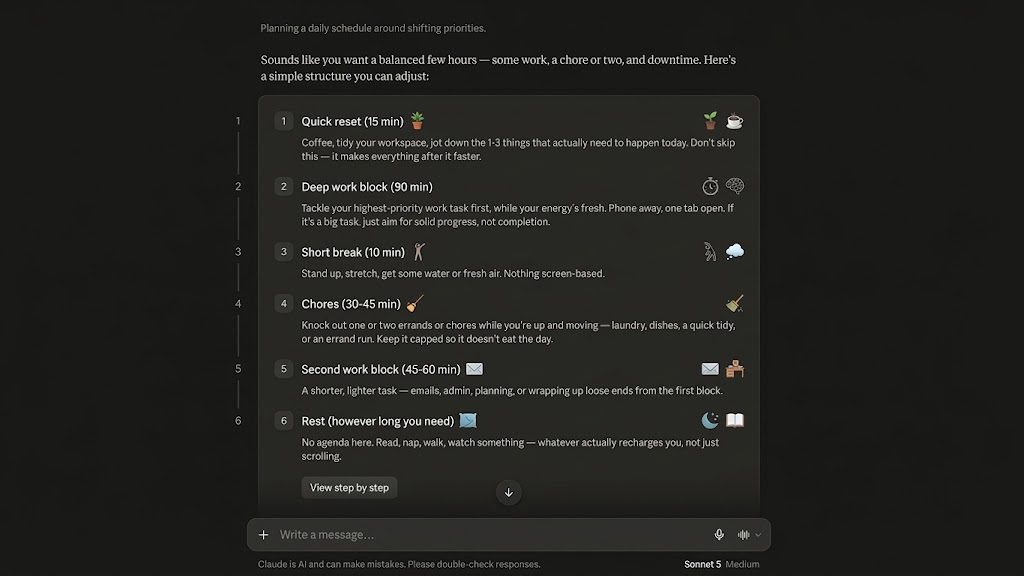
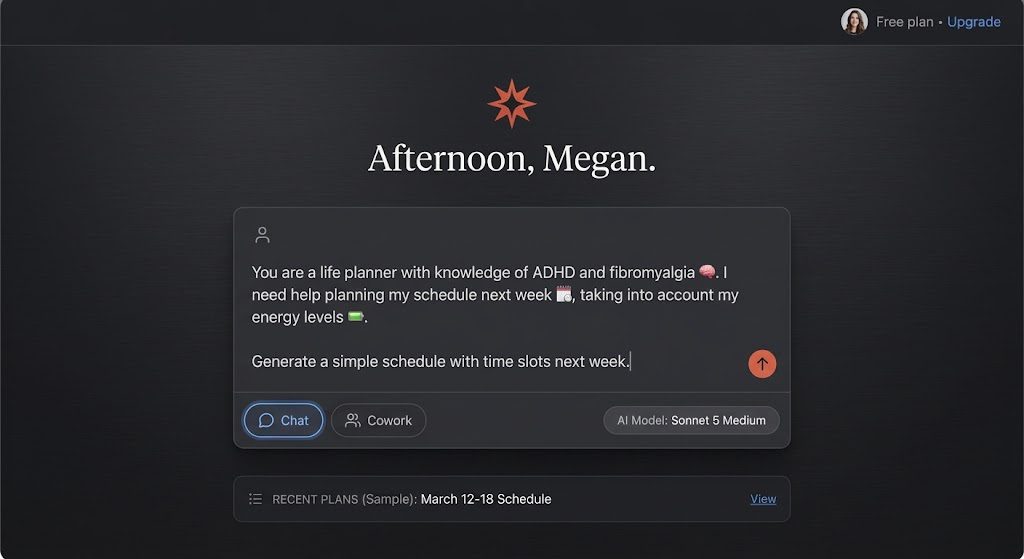
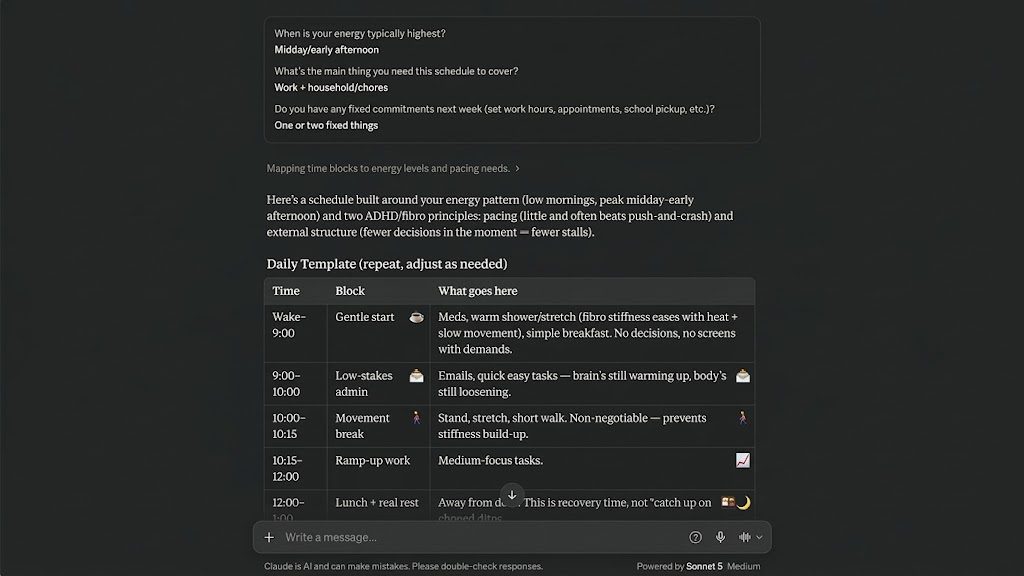
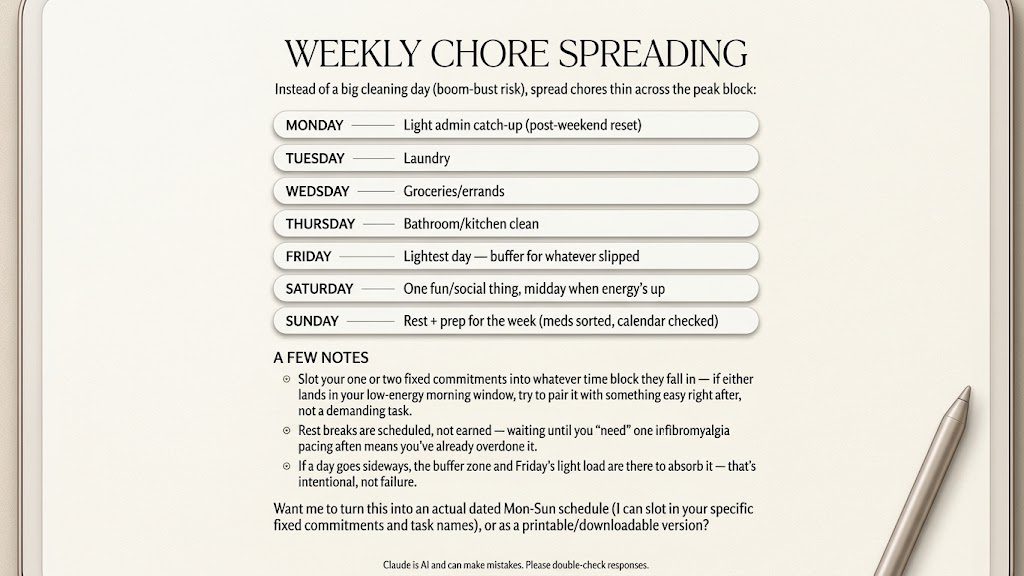
An example of a vague prompt would be “Help me arrange my day.” “You are a life planner with knowledge of ADHD and fibromyalgia,” is an example of a thorough prompt employing the role + aim + format structure. I need assistance organizing my calendar for the upcoming week while accounting for my energy levels. Next week, create a straightforward timetable with time slots.
Compared to my more ambiguous alternative, I obtained a far better schedule to follow when I utilized my detailed hint in Claude. When I asked for recipes, the same thing happened.
This is compatible with all AI tools.
Even yet, some prompts are an exception.
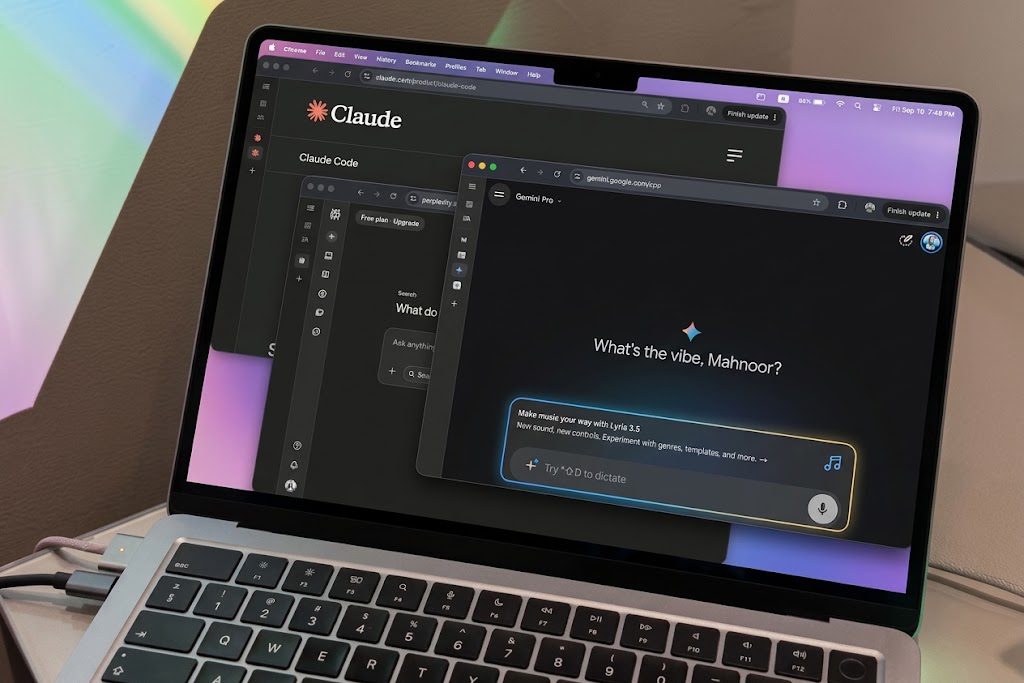
Although my course described a particular prompt structure, I’ve seen it function with different AI tools and copied it in Google courses. If you have sufficient context, I believe that the role is the most adaptable component of the formula. But certain AI technologies appear to gain more from a particular role than others. For instance, Claude appears to adjust to the task most of the time. When it comes to tone, however, Gemini seems to benefit from a specific role; otherwise, it tends to take a generic or excessively formal approach.
However, this method is actually only necessary for open-ended challenges, which call for more subjective insights and qualitative responses. Conversely, responses to closed-ended prompts are straightforward and quantifiable. “What year did World War II start?” is an example of a closed-ended prompt. This is the type of query you would typically pose to a search engine.
On the other hand, responses to open-ended prompts are more imaginative and detailed. Instead of using a closed-ended response, you will employ descriptive prompts to get insights from an AI tool.
I now understand how to get off to a good start with my prompts.
I know where many of my prompts can go wrong, even if I can’t guaranty that every prompt I give to tools like Claude will contain all the context the AI requires. I was able to create prompts without sending a wall of text because to the course’s framework, which I can easily duplicate.
Try this format to see if it helps if you’ve been struggling with general answers to your prompts. Perhaps a little more clarification was all the tool required.
ai tool is the best informative telling machine
ai tool
- claude tool
help for every person ai tool
[…] A player without advertisements […]
[…] The prompt formula in this Anthropic course corrected the one error I was making with each AI tool. … says: September 24, 2026 at 11:39 am […]
[…] 4 days ago The prompt formula in this Anthropic course corrected the one error I was making with each AI tool. […]