These days, every AI startup is trying to attract our attention and, more importantly, our subscriptions.However, I have definitely saved a significant amount of money that I hadn’t realized before.I’m not someone who easily tries out new tools just for the sake of it.I will stick with the free version of a tool if it performs well.The paid features of the software would only be worth subscribing to if they are absolutely necessary for me; otherwise, it wouldn’t be a sensible choice.
With NotebookLM, that is exactly what happened.I bought Google AI Plus because I needed more usage and some of the limits were lifted.Later, I realized the benefits it was offering me in relation to NotebookLM and the whole Google AI system.I recently upgraded from Plus to Pro, and although it’s still not clear whether this purchase will be worth it, it has greatly expanded my AI setup beyond what I expected.
The NotebookLM update that took Gemini with it-Google Antigravity
The difference between the subscription I really received and the one I believed I had
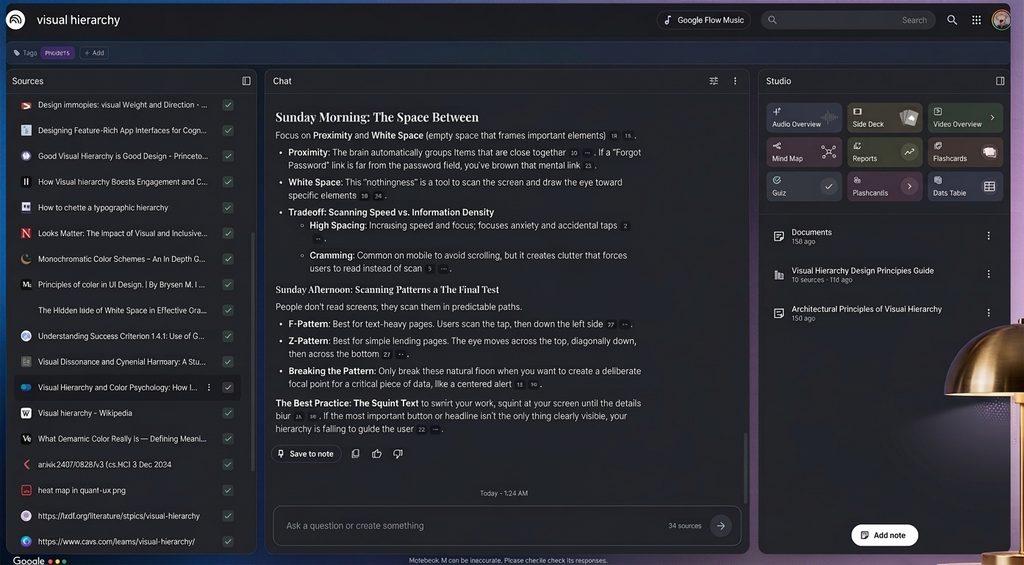
Google AI Plus was originally meant for use with NotebookLM.Again, I hit the source ceiling while working on a research notebook, and I appreciated the extra capacity, which cost $5.However, after a few days of using the subscription, my experience with Gemini changed.I noticed that I was downgraded to a lighter model mid-conversation, longer sessions stayed coherent, and Deep Research reports came back with more detailed information.This is what I call Google Antigravity.
It turns out that this is exactly what is happening.Before Google lowers your access to a basic Flash-Lite version, paid tiers provide a much larger allocation of Gemini 3.1 Pro, which is the actual powerful version.Free accounts tend to lose their capabilities quickly, but Plus and Pro plans keep you on Gemini 3.1 Pro for extended periods.
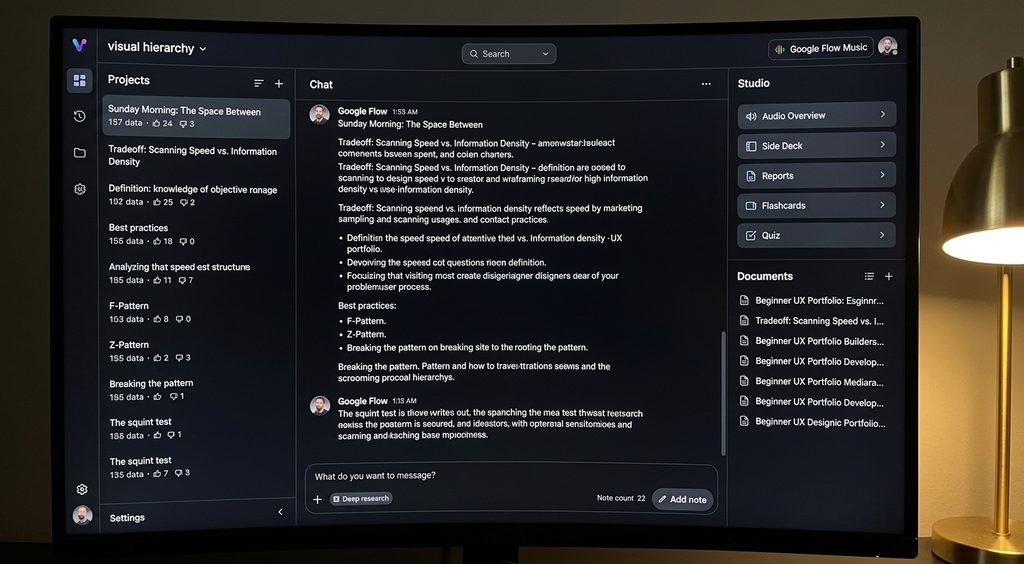
I upgraded from Plus to Pro primarily for this reason.Pro offers four times the free-tier usage limits across all features and provides the full 1 million token context window, with a cap of 128,000 tokens.Before I even noticed, my “just NotebookLM” subscription had turned into a consistent Gemini upgrade.
At the moment, Google Antigravity is handling my computer.
The most nice surprise was this improvement.
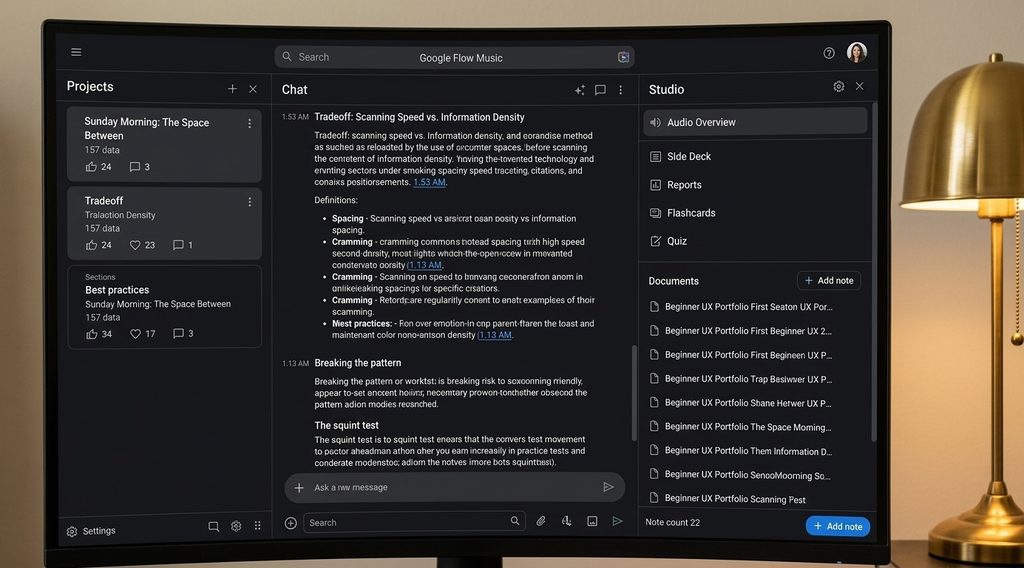
Google Antigravity is a fork of VS Code and an agentic development platform where AI agents plan and perform tasks within your editor, terminal, and browser.Instead of just auto-completing code, it enables more complex workflows.The free version has a weekly rate limit that gradually resets and restricts how much work the AI agent can complete in a given period.In Google AI Pro, this is replaced with quotas that refresh every five hours, along with access to a flexible AI credit pool to handle any additional usage beyond the limit.I used to rely on the free version, but now that agentic tools are a bigger part of my workflow, I don’t have any complaints about the Antigravity update.
I primarily use Antigravity for productivity and computer administration tasks.It handles these activities as agent tasks, running the commands and providing updates.I was able to do this thanks to the five-hour refresh window.In the past, I used to run batch jobs in the morning on the free tier, but sometimes faced issues by the afternoon.Now, I can connect them within a single session and work without any worries.
I also use it to experiment with vibe-coding and vibe-designing, as well as to explore how coding workflows are structured.In fact, I have linked it to Figma using MCP, allowing it to transform my design files into working prototypes in just a few minutes, while also giving me an explanation of the underlying architecture.
Creating a GEMINI.md rules file at the root of my workspace was the setup that made everything consistent.I no longer need to explain my folder structure, my “do not touch” guidelines, or my personal preferences because the agent refers to it during each session.
Google’s creative tools are now easier to use.
Flow and AI Studio were ready for me.
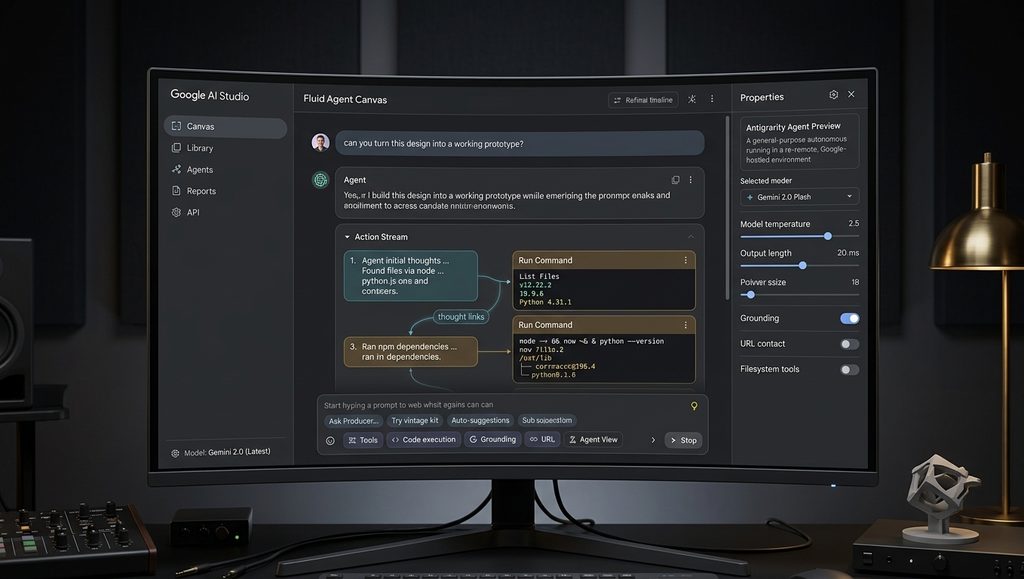

The one that surprised me was Google AI Studio.I try to stay updated with AI design and prototyping tools, but for some reason, I completely overlooked this one—or, to be honest, considering how many AI tools I use, I might have just forgotten about it.Pro subscribers have access to Gemini 3.1 Pro and Nano Banana Pro models, along with much higher usage limits within Google’s browser-based Gemini prototype environment.I actually found out about it only after I started researching for this post; I began experimenting with it around the time I submitted this piece.
Build mode keeps track of the project’s context across multiple files and checks.It operates independently because it is powered by the Antigravity agent.You can also select Android from the platform options and get a Kotlin project that you can test in a browser-based emulator and deploy directly to your phone using ADB.It also supports deployment to Cloud Run and GitHub.I originally bought this subscription for research purposes, but it offers a wide range of powerful features.
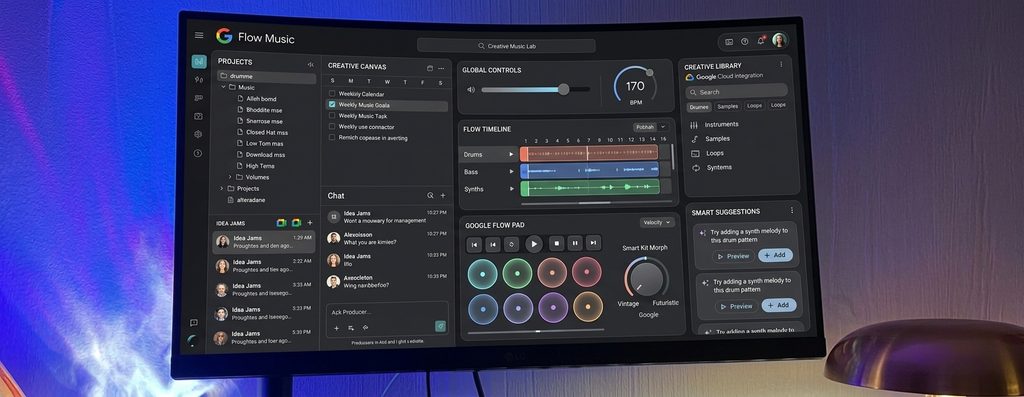
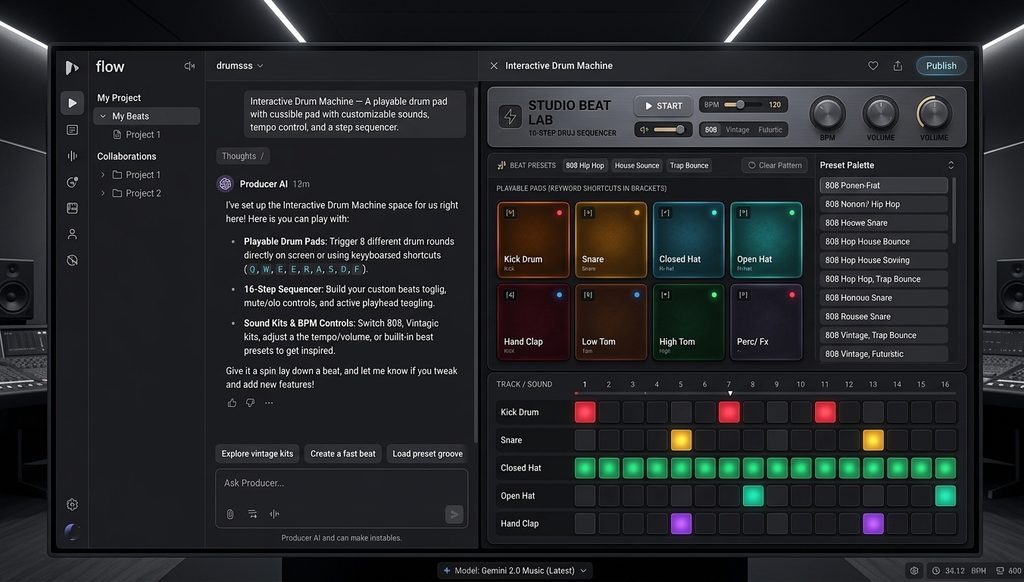
I have already covered the video features of Flow, but I seem to have missed that Flow Music is a separate component.It is built on the Lyria 3.5 framework and functions as Google’s AI-based music creation workspace.This platform allows users to generate full songs, individual sound elements, custom instruments, and matching AI music videos.The free version provides 500 daily credits, which is enough to create about 20 songs each day.Premium Google AI plans offer more credits.Trying out this tool has been a pleasant experience.
nice ai tools
- ai website sign up
personal work you the ai machine help
the ai is a powerfull programing machine
I didn’t understand how far one membership could take me.
The true lesson, in my opinion, is to simply check your subscriptions, whether they are with Google, Anthropic, or another company. Google is packing a lot into these packages, and I would contend that they may not be doing the best job of explaining what’s really included. I only signed up for one tool, but I ended up obtaining an entire suite of products and updates that I had no idea existed. It’s not a terrible issue to have.
[…] establish context, you can utilize a straightforward […]